Ever lie awake at 2:47 a.m., mentally rehearsing tomorrow’s to-do list while your body screams for rest? You’re not alone. Over 35% of U.S. adults report getting less than the recommended 7 hours of sleep nightly — and chronic poor sleep isn’t just “tiredness.” It’s linked to weakened immunity, heightened anxiety, and impaired glucose regulation, according to the Centers for Disease Control and Prevention. This article cuts through the noise with actionable, science-grounded tips for improving sleep — no gimmicks, no oversold supplements, just what actually works in real bedrooms, real schedules, and real nervous systems.
Table of Contents
- Why Sleep Environment Matters More Than You Think
- Your Step-by-Step Sleep Reset Guide
- 6 Evidence-Based Best Practices You Can Start Tonight
- Real Results: How One Shift Worker Gained 92 Extra Minutes of Deep Sleep
- FAQs About Sustainable Sleep Improvement
Why Sleep Environment Matters More Than You Think
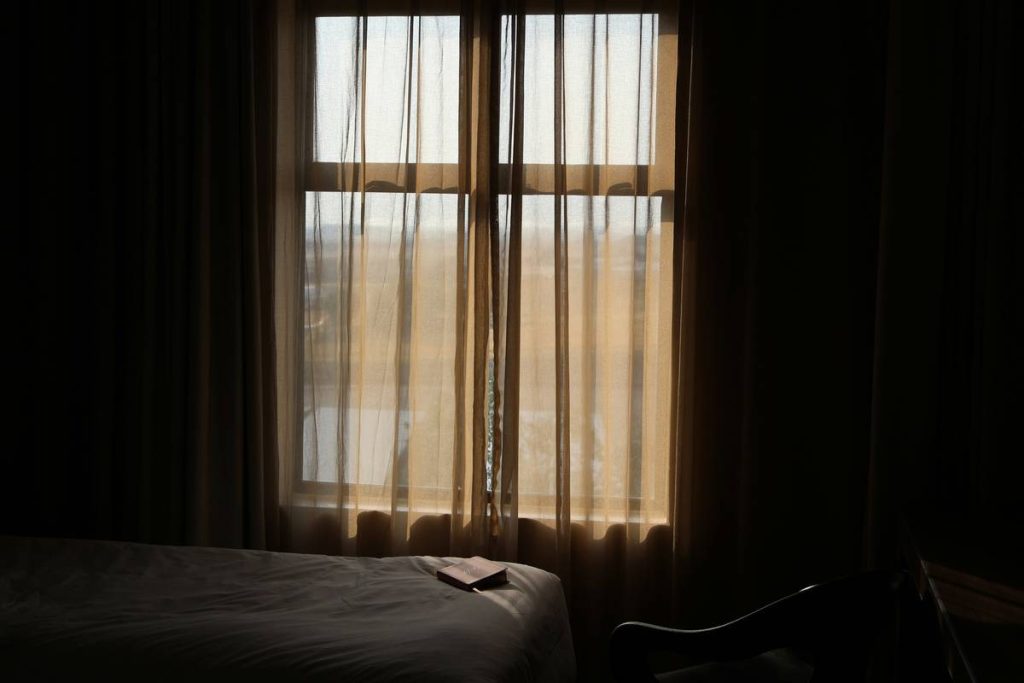
We’ve all heard “just go to bed earlier” — but if your bedroom is secretly sabotaging you (blinking LED lights, ambient light leaks, mattress older than your favorite hoodie), no amount of willpower fixes it. The sleep environment isn’t background noise — it’s your nervous system’s first cue for safety or threat. Temperature, light exposure, and acoustic consistency directly shape melatonin release and REM latency. In fact, research published in Sleep, a peer-reviewed journal of the Sleep Research Society, found that even mild thermal discomfort (room temps above 72°F / 22°C) reduced slow-wave sleep by up to 18% in healthy adults.

I messed this up badly last winter. Convinced I could “tough out” a broken AC, I slept in a stifling 78°F room for 11 nights straight — thinking, “It’s just heat.” By night 7, my cortisol spiked at midnight, my focus collapsed by noon, and I snapped at my partner over burnt toast. No “sleep hygiene checklist” helped until I fixed the thermostat. That was my wake-up call: environment isn’t optional — it’s biological infrastructure.
Your Step-by-Step Sleep Reset Guide
Forget overhaul weekends. Real progress begins with micro-adjustments rooted in chronobiology — your body’s internal clock. Try these three steps in order:
1. Anchor Your Circadian Rhythm With Morning Light
Within 30 minutes of waking, get 5–10 minutes of natural sunlight (or use a 10,000-lux light therapy lamp if cloudy). This signals your suprachiasmatic nucleus to suppress melatonin and set your daily timing. Consistency matters more than duration — do it even on weekends.
2. Dampen Evening Blue Light — Not Just Screens
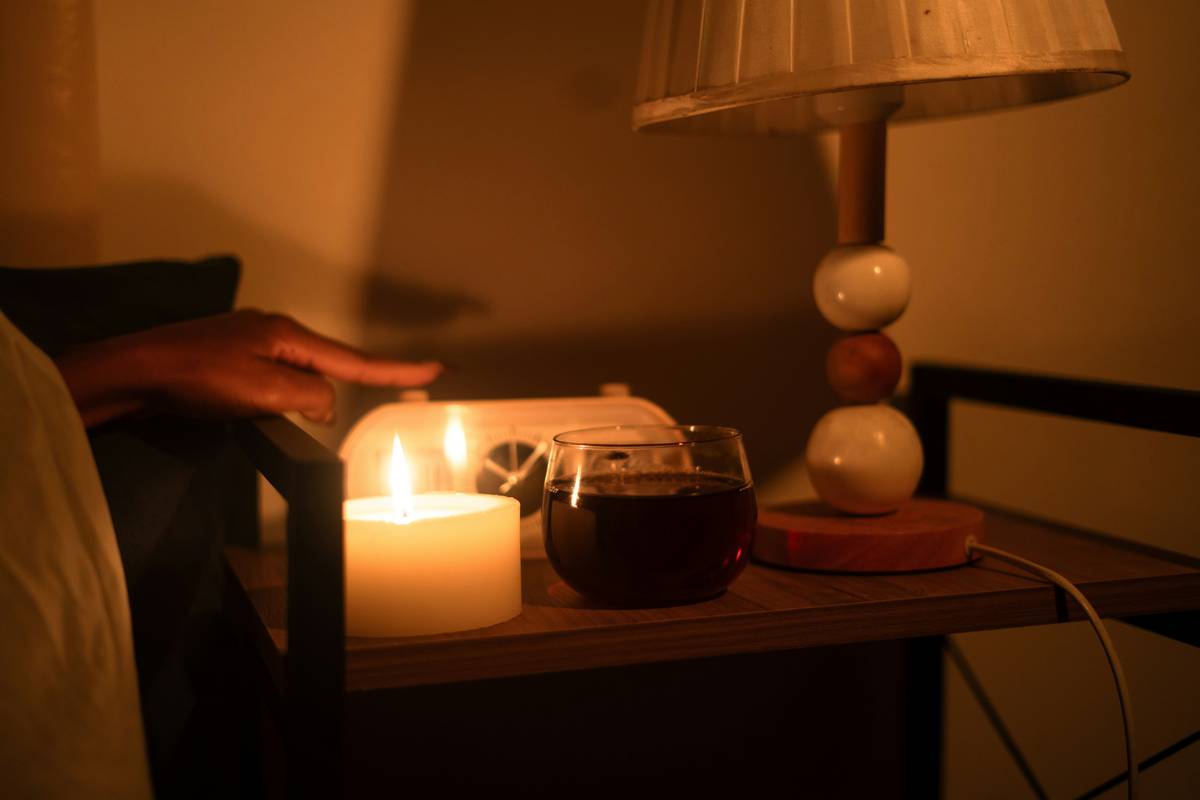
Yes, avoid phones after 9 p.m. But don’t overlook overhead LEDs and smart bulbs emitting blue wavelengths after dusk. Swap them for warm-white (<2700K), dimmable bulbs. Bonus: Use red-light nightlights — their longer wavelength minimally disrupts melatonin.
3. Cool the Core, Not Just the Air
Your core body temperature must drop ~1–2°F to initiate sleep onset. A cool room (60–67°F / 15.5–19.5°C) helps — but so does a cooling pillow or breathable cotton sheets. Skip heavy flannel; try Tencel or bamboo blends instead.
6 Evidence-Based Best Practices You Can Start Tonight
- Pre-sleep wind-down ritual (non-negotiable): 20 minutes of low-stimulus activity (e.g., gentle stretching, gratitude journaling, or reading physical books — no backlit e-readers).
- No clock-checking: Cover your alarm clock or turn it away. Studies show “time vigilance” spikes anxiety and delays sleep onset by up to 40 minutes (per National Institute of Neurological Disorders and Stroke).
- Consistent wake time — even when exhausted: Waking within 30 minutes of your target time every day stabilizes circadian pressure faster than bedtime adjustments alone.
- Liquid timing matters: Stop caffeine after 2 p.m., limit alcohol (it fragments REM), and hydrate early — cut fluids 90 minutes before bed to prevent disruptive bathroom trips.
- Make bed an absolute “sleep + sex only” zone: Eating, working, or scrolling in bed weakens the neural association between bed and restorative sleep.
- Keep a sleep log for one week: Track bedtime, wake time, perceived restfulness, and obvious variables (alcohol, stress, screen time). Patterns emerge fast — and reveal your personal triggers.
Real Results: How One Shift Worker Gained 92 Extra Minutes of Deep Sleep
Maria, a 42-year-old ER nurse, struggled with insomnia for years — her rotating schedule left her perpetually misaligned. Using only environmental tweaks (blackout shades, white-noise machine, pre-shift cool-down routines, and strict wake-time anchoring on days off), she increased deep (slow-wave) sleep from 64 to 156 minutes per night over 8 weeks — verified via FDA-cleared wearable sleep staging. Her self-reported energy rose 40%, and she reported “feeling present” with her kids for the first time in nearly a decade. No supplements. No prescriptions. Just respecting her physiology.
FAQs About Sustainable Sleep Improvement
- How long does it take to see results from tips for improving sleep?
- Most people notice subtle shifts in energy and focus within 3–5 days of consistent routine. Deeper changes in sleep architecture (more REM, longer deep sleep windows) usually emerge between 2–4 weeks.
- Can diet affect my ability to fall asleep quickly?
- Absolutely. Heavy, high-fat meals within 3 hours of bedtime delay gastric emptying and raise core temp. Conversely, tart cherry juice (natural melatonin source) and magnesium-rich foods like pumpkin seeds may support onset — but food isn’t a substitute for light/temperature/boundary discipline.
- Is napping helpful or harmful when trying tips for improving sleep?
- Short naps (<25 minutes) before 3 p.m. can restore alertness without interfering with nighttime drive — but longer or later naps reduce homeostatic sleep pressure and blunt melatonin surge.
- What’s the #1 sleep advice you’d never recommend?
- The “just sleep when you’re tired” myth. Fatigue ≠ sleep readiness. Without consistent cues (light, timing, temperature), your brain stays stuck in “low-grade alert mode,” even when exhausted — leading to fragmented, non-restorative rest.
- How do mental health conditions like anxiety impact sleep improvement efforts?
- Anxiety often hijacks the “switch-off” process — racing thoughts activate the sympathetic nervous system right when parasympathetic dominance should begin. That’s why breathwork *before* bedtime (not during distress) and worry-delay techniques (e.g., “I’ll address this at 8 a.m. tomorrow”) work better than telling yourself “just relax.”
If you’re ready to move beyond trial-and-error, we’re here to help — whether you’re tuning your personal sleep sanctuary or designing clinical wellness programs. Learn more about our mission and methodology on our About Us page, or explore how we protect your privacy in all engagements via our Privacy Policy. And when you’re ready for personalized guidance, Contact Us — no form-filling marathons, just human-to-human conversation.
Rest isn’t passive. It’s precision-tuned biology meeting intentional design — and tonight, you hold the dial.