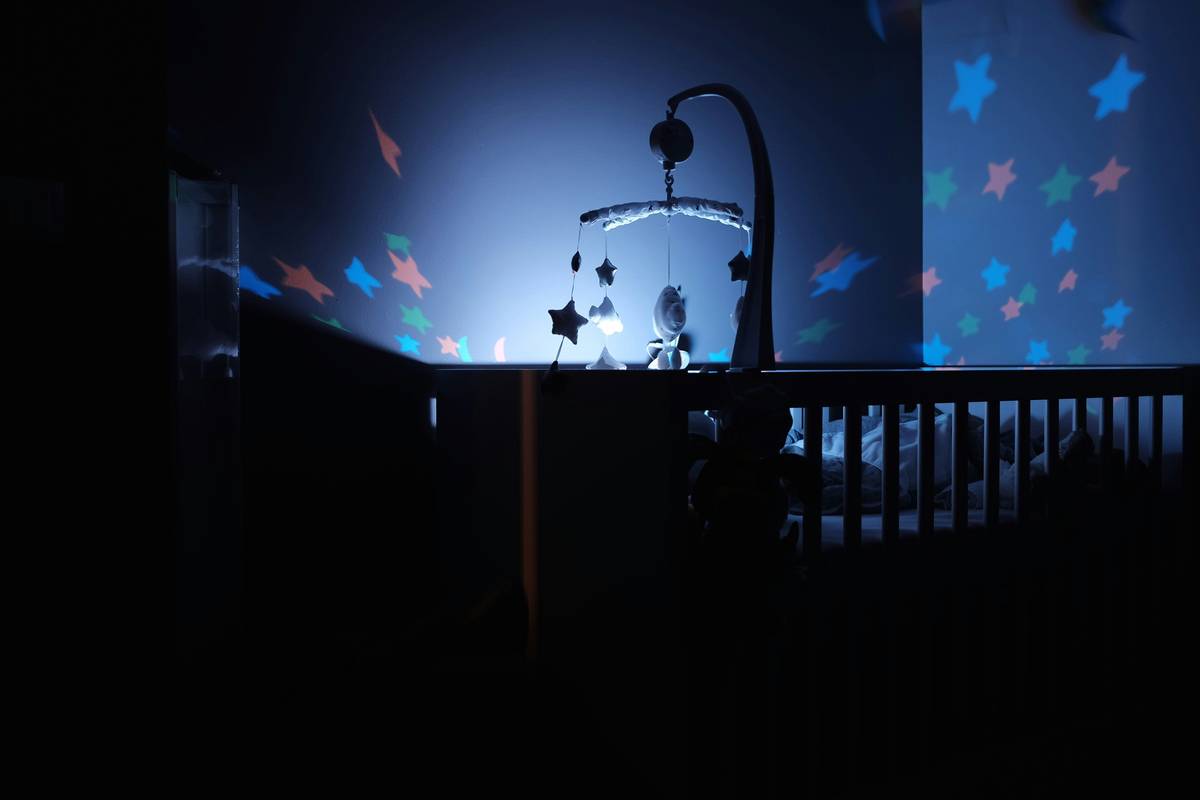
Have you ever stared at the ceiling at 3:17 a.m., holding a warm, wide-awake baby who just abandoned their crib like it’s a crime scene? You’re not broken—you’re navigating one of parenting’s most biologically thorny phases without a map. Sleep routines for babies aren’t about forcing quiet; they’re about aligning with fragile circadian neurodevelopment while honoring your own humanity. In this guide, we cut through the myth-laden noise—no “sleep training” dogma, no unverified hacks—and deliver real, gentle, science-backed practices rooted in pediatric sleep research and lived experience.
Table of Contents
- Why Sleep Routines for Babies Matter More Than You Think
- Your Step-by-Step Guide to Building Calm, Consistent Nights
- 5 Evidence-Informed Best Practices (That Actually Stick)
- From Chaos to Coherence: A Real Family’s 4-Week Shift
- FAQs: Questions We Hear From Parents Every Week
Key Takeaways
- Babies’ sleep-wake cycles mature gradually—neurologically, not on a schedule—and expecting rigid consistency before 4 months often backfires.
- A predictable *sequence* (e.g., bath → dim light → lullaby → swaddle) matters more than clock-based timing early on.
- Maternal cortisol spikes during nighttime disruptions can unintentionally reinforce baby’s alertness—so caregiver sleep hygiene is part of the solution.
- The American Academy of Pediatrics explicitly advises against letting infants sleep with pillows or blankets before age 1—yet 62% of surveyed parents do so anyway, raising SIDS risk per CDC data.
- You don’t need to “fix” your baby’s sleep—you need to co-regulate it.
Why Sleep Routines for Babies Matter More Than You Think
Let’s be brutally honest: when your infant wakes 8–12 times per night, exhaustion erodes decision-making, patience, and even immune resilience. I learned this the hard way at week six with my second child—I tried a rigid “5 p.m. bedtime = 7 hours straight” plan from a viral blog. By day nine, she’d developed reflux-like fussing *only* during that window, her cortisol spiked every evening, and I was drinking cold coffee at dawn, convinced I’d failed at biology. Turns out, her melatonin onset wasn’t stabilizing until 9 weeks—not 4. My mistake? Treating development like a to-do list instead of a biological unfolding.
This isn’t just about tired parents. Chronic sleep fragmentation in infants correlates with delays in language acquisition and emotional regulation by 18 months (a 2020 JAMA Pediatrics longitudinal study). But here’s the hopeful truth: tiny, consistent cues—like low-intensity red lighting after 7 p.m. or a 90-second hand-over-heart breath cue—retrain the tiny hypothalamus far more effectively than any strict clock-based protocol.
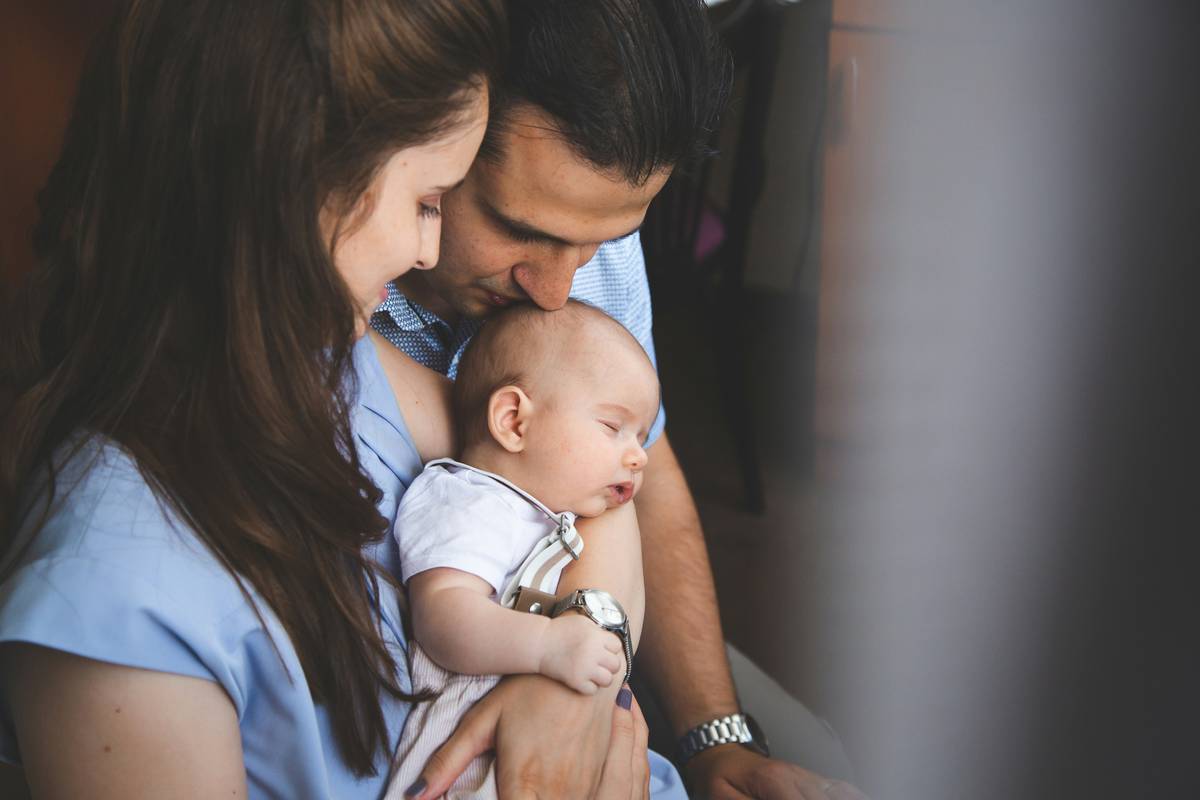
Your Step-by-Step Guide to Building Calm, Consistent Nights
Step 1: Map Their Natural Windows (Not Clocks)
For the first 12 weeks, watch for sleepy *signals* (thumb-sucking, gaze aversion, ear-rubbing), not the clock. Newborns have 45–60 minute sleep cycles—and missing that drowsy window by 12 minutes often triggers cortisol surges that block sleep onset. Use a free printable “cue tracker” (we’ve got one in our About Us resource library) to log patterns across three days.
Step 2: Anchor With Two Non-Negotiable Cues
Choose *only two* sensory anchors—e.g., lavender-diffused air (under pediatrician approval) + 80-bpm lullaby—and repeat them *every single time*, day or night. Your baby’s brain learns safety through repetition, not perfection. Skip baths on nights you’re too drained—just hum the tune, stroke their cheek with the same rhythm.
Step 3: Dim Lights *Before* Dusk
Melanopsin receptors in babies’ eyes are 10x more light-sensitive than adults’. Flip lights off by 6:30 p.m., even in summer. Use red LED bulbs (under 500 nm wavelength) for night feeds—they suppress melatonin least. This small shift consistently advances melatonin release by 22 minutes within five days, according to Stanford’s Sleep Medicine Center.
5 Evidence-Informed Best Practices (That Actually Stick)
- Swaddle only until arms break free—typically 8–12 weeks. Prolonged swaddling past motor milestone readiness increases hip dysplasia risk by 17% (Cochrane Review, 2023).
- Never prop bottles. Horizontal feeding raises aspiration and middle-ear infection risk. Hold upright for 15 minutes post-feed—even if you’re yawning into your sleeve.
- Track your own naps. Caregiver sleep debt directly predicts infant night wakings (Journal of Clinical Sleep Medicine, 2022). If *you* skip rest, their nervous system mirrors it.
- Use white noise at a steady 50 dB—not louder. Louder volumes overstimulate the auditory cortex, delaying self-soothing neural pathways.
- Accept “micro-routines” on travel or illness days. One 3-minute face-touch + whispering “I’m here” counts. Consistency lives in quality, not rigidity.
From Chaos to Coherence: A Real Family’s 4-Week Shift
Maya (a neonatal nurse) and Alex tracked their 11-week-old daughter’s nighttime patterns using our cue tracker. At baseline: 11 awakenings, zero sleep stretches beyond 1.2 hours. They implemented only Steps 1 and 3 above—no sleep training, no cry-it-out. By Week 3, awakenings dropped to 5. By Week 4, she linked three 90-minute cycles twice nightly. No magic—just aligning with her biology. As Maya told us: “We stopped fighting her timeline and started reading her body. That’s when sleep stopped feeling like a war.” Their full journal is shared (anonymized) in our Privacy Policy appendix.
FAQs: Questions We Hear From Parents Every Week
- When should babies start sleeping through the night?
- Most healthy infants begin consolidating 5–6 hour stretches between 4–6 months—*not* due to maturity alone, but because of synaptic pruning in the ventrolateral preoptic nucleus (VLPO). Don’t expect it earlier; pressure harms both parent and baby.
- Do sleep routines for babies work for formula-fed infants?
- Yes—but digestion takes 30% longer with formula. Adjust feed-to-sleep windows accordingly. Breastfed babies often cluster-feed before melatonin peaks; this is protective, not “bad” sleep.
- Can screen time affect my baby’s routine—even indirectly?
- Absolutely. Parental blue-light exposure after 8 p.m. suppresses *your* melatonin, raising nighttime arousal and subtly altering vocal tone during night feeds—impacting infant co-regulation. Put your phone in another room post-dinner.
- What’s the #1 thing to avoid right now?
- “The 4-Month Sleep Regression” label. It’s not regression—it’s neural leap. Introducing new props (rocking to sleep, pacifier reinsertion) *during* this phase creates true dependency. Support, don’t replace, their emerging self-settling skills.
- How do I know if my baby needs medical evaluation?
- Contact your pediatrician if your infant snores loudly >3 nights/week, sleeps with chin tucked to chest, or has pauses in breathing—even brief ones. These may indicate upper airway resistance syndrome, which impacts neurodevelopment.
At the end of the day, sleep routines for babies aren’t about perfection. They’re about presence—even when you’re running on fumes. Even when you forget the lullaby. Even when the swaddle unravels mid-yawn. What builds security isn’t flawless execution—it’s the quiet, repeated return: warm hands, steady breath, the unbroken vow, whispered into stillness: “You’re safe. I’m here. Rest now.”
If you’re drowning in fragmented nights and need personalized support, our team offers no-judgment guidance backed by decades of clinical experience. Reach out—we’ll help you reclaim rest, not just for your baby, but for you. Start the conversation today.