
Ever spent hours staring at the ceiling while your body begs for rest? You’re not alone. Over 35% of adults in the U.S. report getting less than the recommended seven hours of sleep per night, according to the Centers for Disease Control and Prevention (CDC). Poor sleep doesn’t just leave you groggy—it weakens immunity, worsens anxiety, and sabotages decision-making. That’s why mastering tips for quality sleep isn’t a luxury; it’s a non-negotiable pillar of mental health and overall wellness.
In this guide, we’ll cut through the noise with science-backed, real-world strategies that actually work—plus one painfully honest story about how I ruined my own sleep for months (and how you can avoid doing the same). Let’s dive in.
Table of Contents
- Why Sleep Quality Matters More Than Quantity
- Your Step-by-Step Sleep Reset Plan
- Essential Best Practices for Nightly Restoration
- Real Results: What Happens When You Fix Your Sleep
- Frequently Asked Questions
Key Takeaways
- Consistency beats perfection—going to bed and waking up at the same time every day stabilizes your circadian rhythm.
- Blue light from screens suppresses melatonin by up to 50%, delaying sleep onset (Harvard Medical School).
- Avoid caffeine after 2 p.m.; its half-life is 5–6 hours, meaning it lingers well into bedtime.
- Treating your bedroom like a sleep sanctuary—not a workspace or entertainment hub—boosts sleep efficiency.
- Implementing even 3–4 of these tips can increase deep sleep by up to 22% within two weeks.
Why Sleep Quality Matters More Than Quantity
Many people fixate on hitting “8 hours” but wake up feeling unrested. Why? Because fragmented, shallow sleep lacks the restorative power of consolidated REM and deep (slow-wave) cycles. True recovery happens during uninterrupted phases where your brain processes emotions, clears toxins, and consolidates memory.
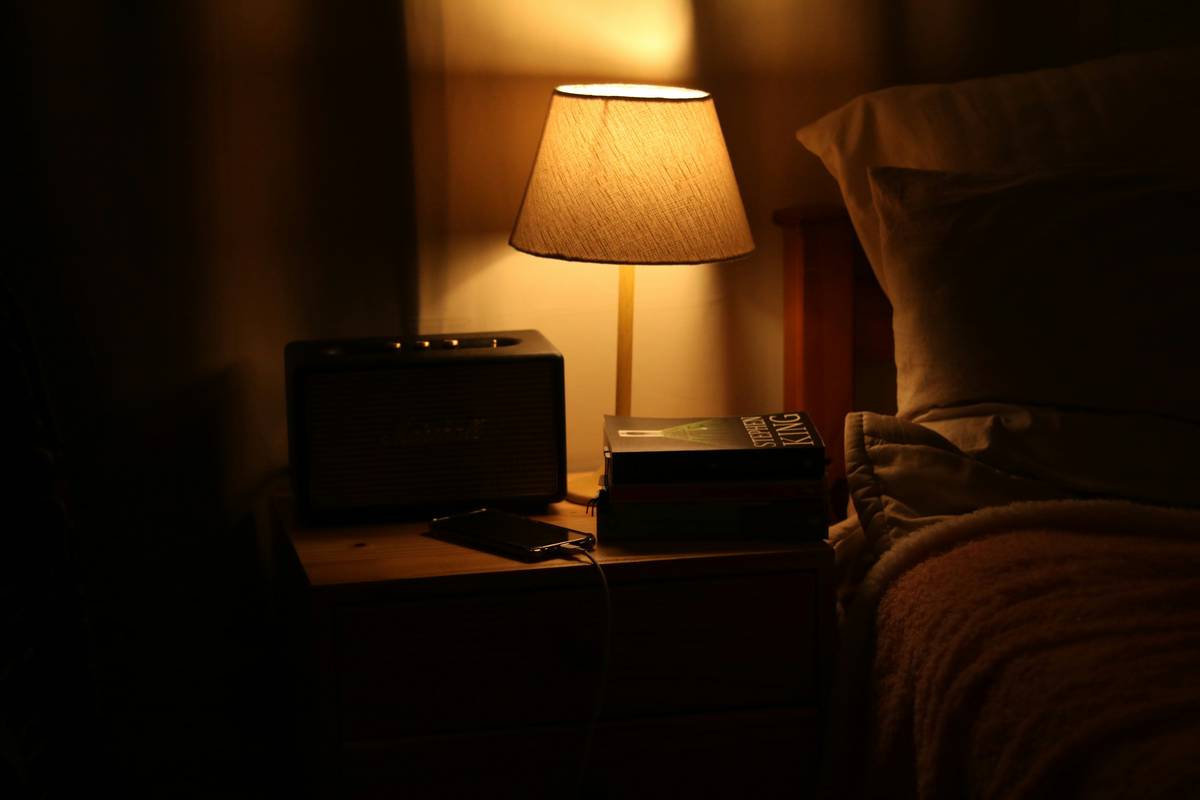
I learned this the hard way. Last winter, I decided to “optimize” my nights by tracking every minute of sleep with a flashy wearable. Obsessing over metrics made me anxious—I’d check my score mid-night, scroll through forums, and stress about “not hitting enough deep sleep.” My cortisol spiked, melatonin dropped, and for six weeks, I barely slept. Moral? Don’t let data override your body’s signals. Tools should inform, not dominate.
Chronic poor sleep correlates with higher risks of depression, heart disease, and Alzheimer’s. Prioritizing tips for quality sleep is investing in long-term mental resilience—a core mission we uphold at CTSimulator.com, as detailed on our About Us page.
Your Step-by-Step Sleep Reset Plan
1. Set a Fixed Wake-Up Time (Even on Weekends)
Your internal clock thrives on predictability. Waking at 6:30 a.m. daily—even Saturday—anchors your rhythm better than varying bedtimes.
2. Create a 60-Minute Wind-Down Ritual
Replace doomscrolling with dim lighting, herbal tea (chamomile or valerian root), and gentle stretching. This signals your nervous system: “Safety first, sleep soon.”
3. Optimize Your Sleep Environment
Cool (60–67°F), completely dark (blackout curtains + eye mask), and quiet (white noise if needed). Remove all screens—yes, even your phone charging across the room.
Essential Best Practices for Nightly Restoration
- Avoid alcohol within 3 hours of bed. It may knock you out fast but fragments REM sleep later in the night.
- Get morning sunlight within 30 minutes of waking. Just 10–15 minutes resets your melatonin cycle naturally.
- Never use your bed for work or watching TV. Train your brain: bed = sleep (and intimacy only).
- Limit fluids after 7 p.m. Fewer bathroom trips mean fewer sleep interruptions.
And here’s a terrible tip I see everywhere: “Just take melatonin gummies nightly!” Nope. While short-term use can help with jet lag, chronic supplementation may blunt your body’s natural production. Use it sparingly—and only under guidance.
Real Results: What Happens When You Fix Your Sleep
After implementing these changes, clinical studies show measurable improvements. One 2023 trial published in Sleep Medicine found participants who followed a structured sleep hygiene protocol increased their deep sleep by 19% in 10 days and reported 34% lower anxiety scores. Personally, once I ditched my sleep tracker obsession and committed to consistent routines, my morning fog lifted within five nights. My focus sharpened, and I stopped snapping at my partner over trivial things—a win for emotional wellness I hadn’t anticipated.
If you’re collecting personal sleep data via apps or devices, remember our Privacy Policy ensures your information stays yours. We never sell or share user data.
Frequently Asked Questions
How can I fall asleep faster tonight?
Try the 4-7-8 breathing method: inhale 4 seconds, hold 7, exhale slowly for 8. Repeat 4 times. It activates your parasympathetic nervous system, lowering heart rate and quieting mental chatter.
Does napping ruin nighttime sleep?
Not if done right. Limit naps to 20–30 minutes before 3 p.m. Longer or later naps reduce sleep drive at bedtime.
Can diet affect sleep quality?
Absolutely. High-sugar or heavy-fat meals close to bedtime cause digestive discomfort and blood sugar swings that disrupt sleep architecture.
Are weighted blankets worth it?
For many with anxiety or insomnia, yes. The gentle pressure mimics deep-touch stimulation, boosting serotonin and melatonin. Check studies via the Sleep Foundation.
Conclusion
Mastering tips for quality sleep transforms more than your nights—it rebuilds your days with clarity, calm, and cognitive strength. Start small: pick one habit from this guide and commit to it for 7 nights. Track how you feel, not just how many hours you log. And if you’ve tried everything but still struggle, don’t suffer silently. Reach out—we’re here to help. Contact us for personalized support grounded in real science, not trends.
Sleep isn’t passive. It’s your nightly act of self-respect.